DU1-Introduction to geology
DU1-Introduction to geology
11 J-N terms terms
The following terms are included in the first chapter of the “GUIDE-INTERPRETER OF GEOTURISM” manual, created through EU ERASMUS Framework. Project name: GEOTUR: Validation and recognition of two competence units in geological tourism Project no. 2018-1-ES01-KA202-050397
- Karst
- The landscape produced in limestone areas, which has been eroded by dissolution, producing ridges, towers, fissures, sinkholes and other characteristic landforms.

- Landslide
- The movement of a mass of rock, debris, or earth down a slope due to gravity. The materials may move by falling, toppling, sliding, spreading, or flowing. Landslides can be triggered by rainfall, 63 snowmelt, changes in water level, stream erosion, changes in ground water, earthquakes, volcanic activity, disturbance by human activities, or any combination of these factors.

- Lava
- Magma that emerges from a volcano´s interior

- Lithosphere
- The hard and rigid outer layer of the Earth which includes the crust and the uppermost mantle. The lithosphere is subdivided into tectonic plates. Oceanic lithosphere is typically about 50–140 km thick, while continental lithosphere has a range in thickness from about 40 km to more than 200 km and overlay a viscous layer called astenosphere.

- Magma
- Molten or semimolten natural material formed inside the Earth from which the igneous rocks are formed
- Magma Chamber
- A reservoir of magma in the Earth's crust where the magma may reside temporarily on its way from the upper mantle to the earth's surface.
- Mantle
- A layer inside the Earth bounded on the bottom by the planetary core and on top by the crust
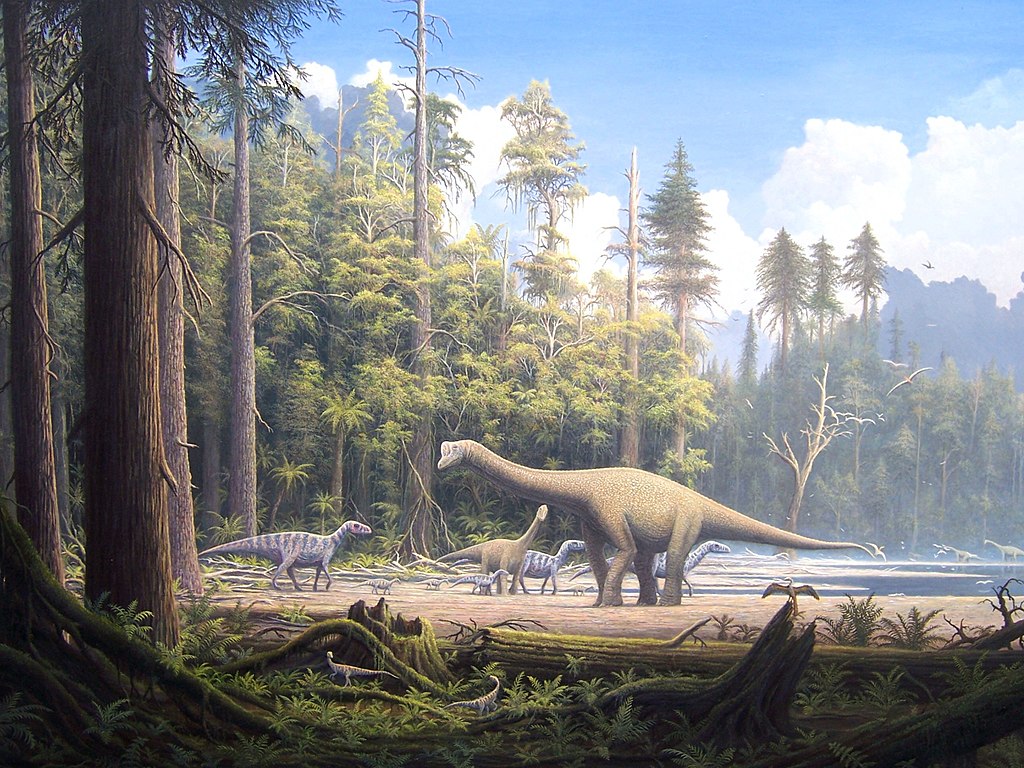
- Mesozoic
- An era occurring between 252 and 66 million years ago, characterized by the appearance of flowering plants and by the appearance and extinction of dinosaurs.
- Metamorphic rocks
- Were originally igneous, sedimentary or even metamorphic rocks. Rocks undergo metamorphosis or change when they are subjected to extreme amounts of pressure and/or heat.

- Mid oceanic ridge
- Underwater mountain system formed by plate tectonics. It is geologically active area, with new magma constantly emerging into the ocean floor and into the crust at and near rifts along the ridge axis generating oceanic crust and ocean floor spreading

- Nappe
- Large body or sheet of rock that has been moved a longer distance from its original position by faulting or folding.
